★★★★★
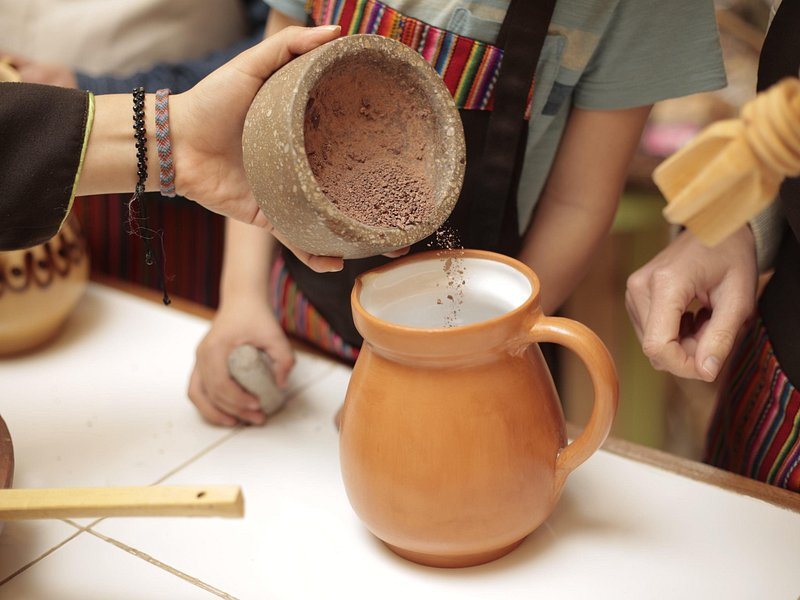
Juan Carlos and Gabi walked us through the whole Antigua coffee process, then invited us back to the house for coffee and sweet cookies. Warm from start to finish.
Kendra G. · Couple · April 2026
From $45 per person
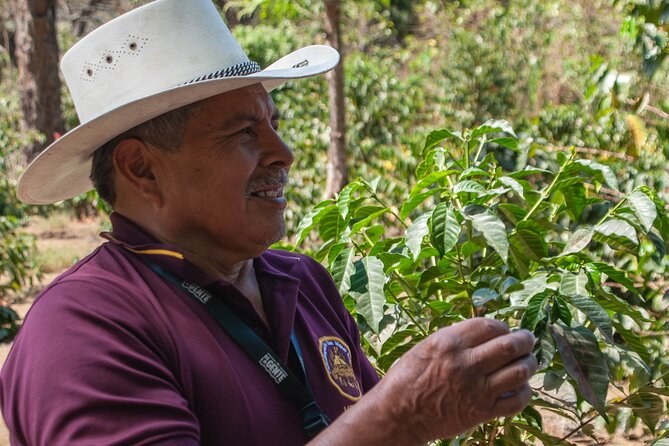
Not a guide at an estate — the person whose plot it is.
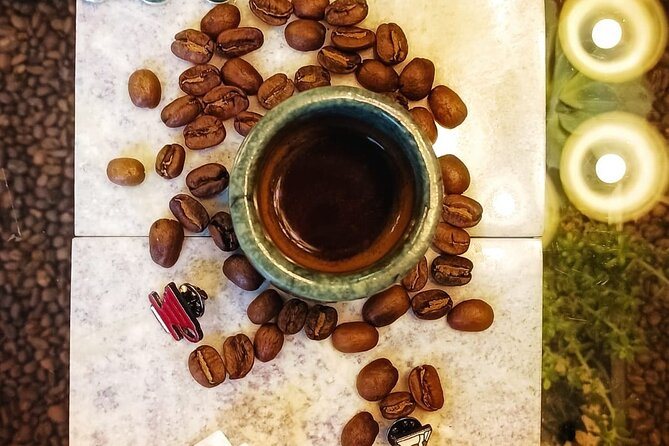
The cup is drunk at somebody's table rather than a counter.
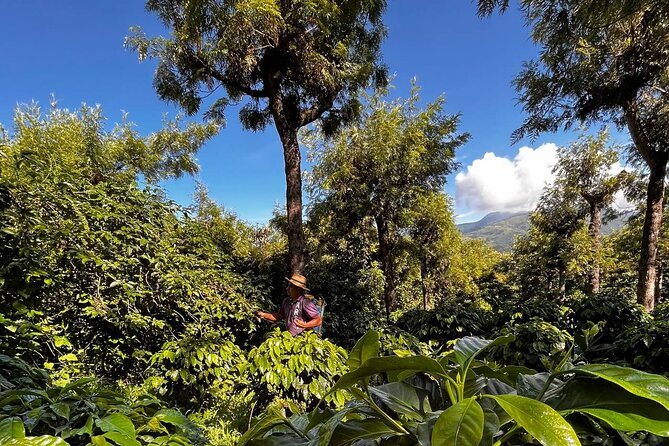
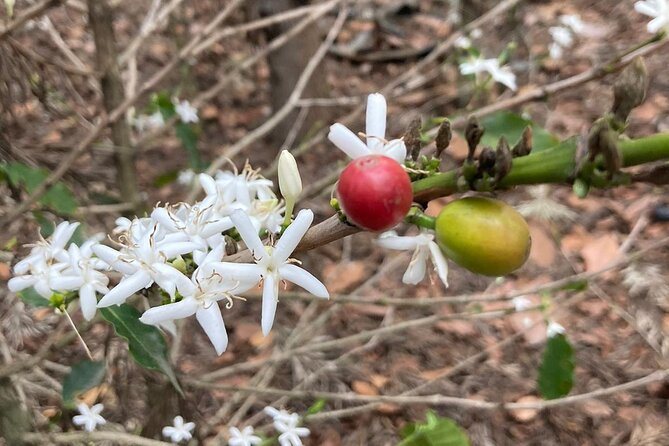
An hour in fields at the foot of the volcano.
From the shuttle point at Ermita de Santa Lucía.
Small enough that the questions are yours rather than the group's.
Take this one if you want to meet the person who grows the coffee. The co-operative model is the difference: your host owns the plot, the translator is often a member of the same family, and the cup at the end is made in their kitchen rather than a tasting room.
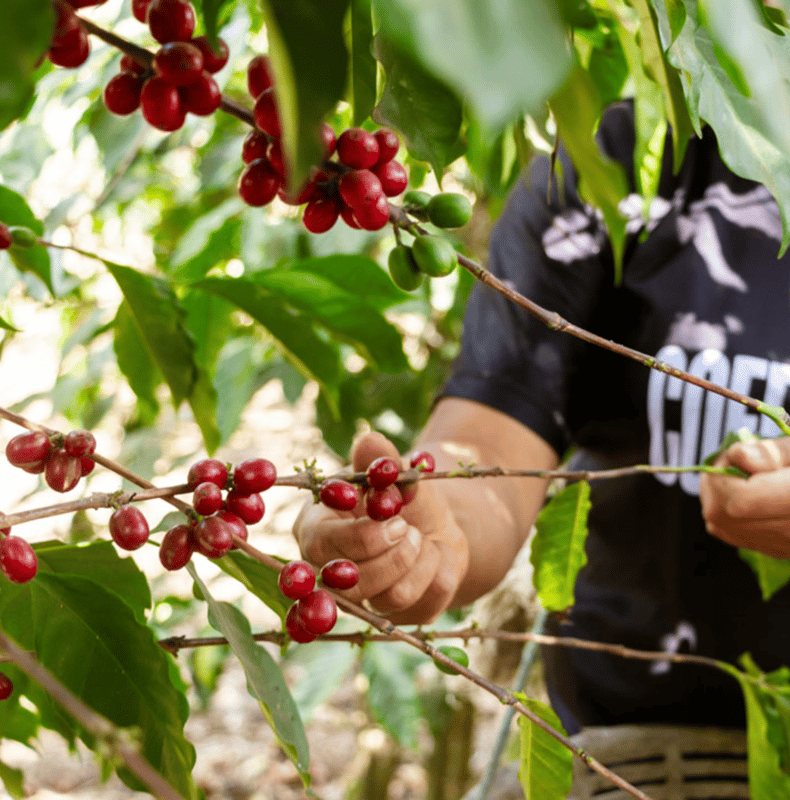
The morning runs about four hours from the shuttle point at Ermita de Santa Lucía on the west side of town. You are driven out to the village, walk the fields below Volcán de Agua for an hour, and go back to the house for coffee and champurradas — the thick Guatemalan cookie the coffee is drunk with.
An hour on the plots is less time among the trees than a plantation morning gives you, and that is the trade. What you get instead is the part no estate can sell: somebody telling you what a year of this work is actually like. The decision guide weighs the two properly.
This suits you if the people interest you as much as the process, you are happy with a short walk and a long conversation, and you would rather your money went to a smallholder than an estate.
Choose something else if you want the full industrial line — a proper wet mill, a large drying patio, a shop and a café. The bicycle morning gives you two hours at a commercial estate for less money, though it will not put you in anybody's kitchen.
Collection is at La Ermita de Santa Lucía, the church on the west side of Antigua at the corner of Calle del Espíritu Santo and Calzada Santa Lucía. It is a ten to fifteen minute walk from Parque Central, or a couple of quetzales in a tuk-tuk.
The whole experience, pickup to drop-off at the same church, runs about three and a half to four hours. Plan it as a morning and keep your afternoon free.
Juan Carlos and Gabi walked us through the whole Antigua coffee process, then invited us back to the house for coffee and sweet cookies. Warm from start to finish.
Kendra G. · Couple · April 2026
It opens your eyes to the work behind a single cup. The family were light-hearted, took every question, and were plainly proud of what they grow.
Lizzy M. · Solo traveller · April 2026
Miguel the producer and Luis the interpreter answered everything we could think of. Miguel is a walking encyclopaedia and Luis filled in what his own family had lived through.
Miguel's group · Group · August 2026
An intimate morning with a grower and his family, taken right through harvesting. Angela translated it beautifully.
Danish K. · Couple · May 2026
A grower from the co-operative, on their own plot, usually with a translator alongside. Travellers name different hosts across the reviews because there are several families involved. That is the point of the model rather than an inconsistency.
Yes. The grower usually speaks Spanish and a translator works alongside them, which sounds more awkward than it is and gets you closer to the person who grew the coffee than a bilingual guide would.
An hour, on the plots below Volcán de Agua, with the rest of the four hours going on the drive and the coffee at the house. If you want longer among the trees, the bicycle morning gives you two.
A large, thin, sweet Guatemalan cookie, dense enough to dunk, and the standard thing to eat with coffee here. It is included in the fare and it is not a substitute for lunch.
Not from your door. The shuttle collects at La Ermita de Santa Lucía on the west side of Antigua, ten to fifteen minutes' walk from Parque Central, and returns you to the same place.
Yes, and it is the best price you will find for it. Take quetzales in cash because a smallholding has no card machine — the tastings page covers what to ask for.