The Best Time for an Antigua Coffee Tour
Short answer. January to March if you want to watch the crop worked: picking, depulping and a full drying patio. October if you want a grower to yourself. Any month for the roast and the tasting, which never stop. And always the earliest departure you can get.
Coffee is seasonal and Antigua's season is short, which means the month you come changes what a farm morning actually shows you. Nobody tells you this at the point of booking, and it is the difference between watching an operation and hearing about one. An None runs in all twelve months; what it can put in front of you does not.
When is the harvest, and does it matter?
The first ripe cherries come off in late December, and picking runs January through April, sometimes into the first days of May. That window is set by the dry season, because nothing dries on a wet patio and the whole crop has to be dried within days of being picked.
It matters more than the weather does. In February you can fill a basket, watch the depulper running and see a patio covered in beans; in August the fruit is green, the mill is stripped for maintenance and the patio is swept. Both are good mornings and they are not the same morning.
Month by month, in four bands
| Band | Months | On the farm | Weather |
|---|---|---|---|
| Opening | Late December | First red cherries, mills tested | Dry, cool mornings |
| Peak | January – March | Picking, depulping, full patios | Driest of the year |
| Closing | April – early May | Last picking, then flowering | Hot, first rains late |
| Growing | May – November | Pruning, weeding, green fruit sizing | Afternoon storms |
The harvest page takes all twelve months one at a time.
What you see in the picking season
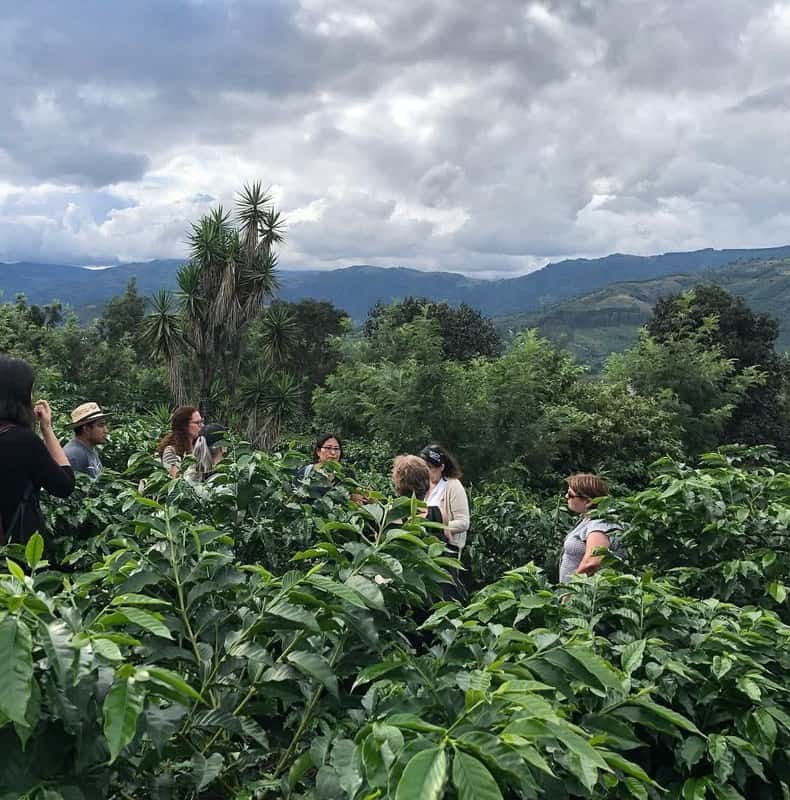
Everything at once, which is the case for coming between January and March. Pickers working the rows, cherries arriving at the mill the same day, the depulper running, the fermentation tank full and a patio being raked while you stand on it.
You can also pick, on most departures, and the surprise is always the same: only the red ones count, one branch carries three colours, and a basket fills far more slowly than it looks. The walk-through post covers the whole line.
What you see out of it
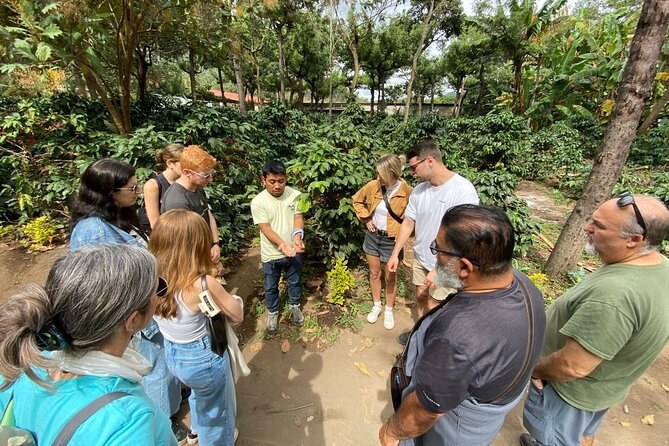
The trees, the machinery at rest, and a grower with time. Between May and November the plots are green and the fruit is sizing up, the mill is stripped and cleaned, the patios are repaired, and the nursery beds are filled with next decade's crop.
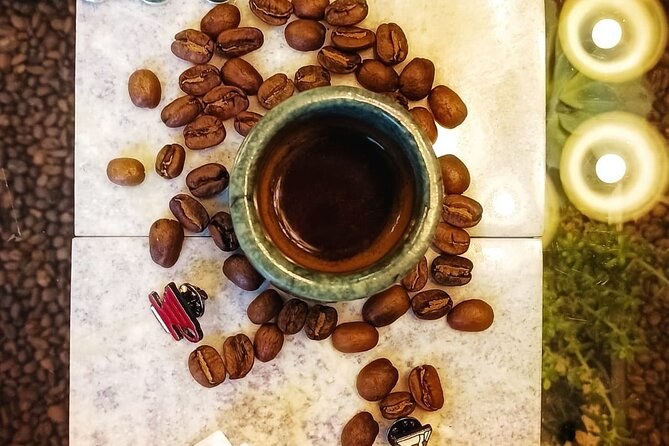
The roast and the tasting are identical, because every farm holds back its own coffee. So the last hour of an August morning is the same as the last hour of a February one, and the first hour is quieter.
🌿 Did You Know? The Guatemalan coffee year runs October to September, not January to December. A bag marked with a crop year is telling you which harvest it came from rather than when it was roasted — the tastings page covers what else to look for.
Which month is quietest?
October, comfortably. It is the tail of the wet season, the northern holidays have not started, and several travellers describe having a grower entirely to themselves. Group caps stop mattering when there is no group.
December to March is the opposite: the crop and the tourists arrive together. Book a week ahead over Christmas, New Year and Holy Week, and a few days the rest of the year.
What does the rain change?
Less than you would think, because every departure here is a morning and the rain in this valley is an afternoon event. Between May and October you will usually be back in town before it starts.
What it does change is footing on the sloped plots, the state of the drying patios, and the ride on the two bicycle mornings — cobbles after rain are slick. Free cancellation at 24 hours covers you if a forecast turns.
What time of day should you go?
The earliest departure you can get, in every month. Two listings state an eight o'clock start and most of the rest are between half past eight and half past nine, and that is not an accident: the light is better, the plots are cooler and the farm's own working day is under way.
It also hands you the whole afternoon for the town, which is the argument for booking the coffee first — the itinerary guide builds the day around it.
When does the coffee flower?
After the first rains, usually in late April or May, and it lasts about three days. The whole plot turns white and smells like jasmine, and it sets the crop you will drink two years later.
Nobody can predict the week, so it is not something to plan around — but if you are here in that window, ask, because a grower will know whether it is coming.
How far ahead should you book?
- December to March: a week, and longer over Christmas, New Year and Holy Week.
- April to June: three or four days is comfortable.
- July and August: a few days, more for the small-group mornings that cap at ten.
- September and October: a couple of days, and often the day before.
- Any month: most listings hold your place without payment, so early costs nothing.
Does the weather change which format to book?
Only for the two bicycle mornings, and only in the wet season. Antigua's cobbles are slick after rain and the plantation trails soften, so a September ride is a more careful one than a February ride. Neither operator cancels for it.
The walking mornings barely notice: the drive is in a vehicle and the walking is short and on farm ground rather than stone. The ATV morning sits in between, since the route includes a climb on a dirt road to the viewpoint. The formats post compares the three rides.
What is the coffee year, and why does it matter?
The Guatemalan coffee year runs October to September rather than January to December, and the export flow is heaviest between February and June. That calendar is the reason a bag carries a crop year: it tells you which harvest the beans came from, not when they were roasted.
For a visitor it matters in one practical way. Coffee bought on a farm in November is last season's crop, held back and stored; coffee bought in March may have been on the patio a fortnight earlier. Both are good and only one of them is new, so ask.
Which month suits which traveller?
If you want to see the work: February. The middle of the picking season, the driest weeks, and every stage running at once.
If you want the grower's attention: October. Nothing to pick means everything to talk about, and you may well be the only visitor that morning.
If you want both the coffee and the town at their best: late November or early December, before the crowds and after the rain. Antigua Coffee Tours compares the departures running in any of them.
How does the month change what you can buy?
Coffee bought on a farm in February may have been on the drying patio a fortnight earlier; coffee bought in October is last season's crop, held back and stored properly. Both are good, and the fresher one is not automatically the better one — coffee rests after roasting rather than improving indefinitely before it.
What does change is choice. In and just after the harvest a farm has several lots to show you and will roast to order; by September a smallholding may have one lot left and a fixed roast. If you want to taste a couple of things side by side, come between January and May and say so when you book.
What is the town doing that month?
Antigua's own calendar matters as much as the farm's, because it decides what your afternoon looks like. Holy Week, usually in March or April, is the town at its most extraordinary and its most crowded: carpets of dyed sawdust across the streets, processions that close the centre for hours, and accommodation booked out months ahead.
Christmas and New Year are the other peak, and both fall inside the picking season, so the two busiest weeks on the farms are also the two busiest weeks in town. Book a week ahead for either and expect the drive out to take longer than the booking page suggests.
The quietest weeks are September and October, when the rain has thinned the visitors and the farms are between jobs. If your priority is space rather than spectacle, that is the window. The things-to-do page covers the town itself.
Frequently asked questions
Is there any point visiting a coffee farm out of season?
Yes, and most visitors do. The trees, the mill, the roast and the tasting are all there in July. What is missing is the picking and the loaded drying patio, so if watching the crop worked is the point, come between January and April.
Which is the wettest month?
September, at the tail of the wet season, when the tracks up to the higher plots turn soft. The mornings are usually still clear and the departures still run.
Can I see the coffee flowering?
Only with luck. It follows the first rains, usually in late April or May, and lasts about three days. Ask when you book if you are here in that window — the grower will know whether it is close.
Does the harvest change the price?
No. The fares are the same in February and in September, which makes the quiet months better value in practice: the same money buys more of the grower's attention.
What is the best month overall?
February if you want to see everything happening at once, October if you want it quiet. Those are genuinely different holidays and both are good ones — the harvest calendar sets out all twelve.
Next: the twelve months in detail on the harvest calendar.